
Literacy as Empowerment: From Authoring Stories to Authoring Lives

Jyothi Bathina, Ph.D.

We are all the central figures of our own stories. Lives are lived, experienced, and understood through stories—the ones we hear growing up, the ones we tell about ourselves, and the ones we hope will shape the lives of others.
Stories are how we process the past, inhabit the present, and envision the future. Stories allow us to create our paths, preserve our histories, and destroy misconceptions.
I am reminded of the Hindu trinity: Brahma the Creator, Vishnu the Preserver, and Shiva the Destroyer.
Brahma creates worlds and universes, just as we do through our words and our thoughts. Vishnu preserves what is created, just as we nurture, protect, and guard the values, beliefs, and systems we hold dear. And Shiva destroys ignorance, just as our words can clear up confusion, dismantle false ideas, and reveal the truth.
Creation, preservation, and destruction are not opposing forces but complementary ones. We do not have to reject what we know or dismiss what we have inherited in order to grow. We can learn to question and transform from within. We can honor our histories while reimagining our futures. We can cherish our cultural inheritance while questioning the beliefs that constrain us.
The only thing we need to destroy is ignorance.
Learning Without Assimilating
By tapping into this natural human tendency to learn through story, we give students the opportunity to develop the skills they need to do what is already instinctive. Speaking, listening, reading, and writing are all tools in this endeavor. Once students understand the purpose these skills serve in their own lives, they have a compelling reason to learn.
Yet too often, we separate the teaching of literacy from the very human purposes it serves. We ask students to master skills without giving them meaningful reasons to use those skills. We privilege certain kinds of knowledge while overlooking the wealth of knowledge students already bring into our classrooms.
When we draw upon students' funds of knowledge, we are not simply using what is familiar to them as a stepping stone toward what we consider more valuable knowledge. We are recognizing that their homes, families, languages, communities, and cultural traditions are already rich sources of knowledge.
Education should not require students to abandon these in order to succeed. Rather, it should give them the intellectual and linguistic tools to examine, question, deepen, and transform what they know.
The purpose of education is not assimilation but transformation.
Once we recognize that learners have the capacity to contribute to our collective knowledge, both learners and teachers stand to gain enormously. Students begin to see themselves as people who have something of value to offer, while teachers gain access to experiences, perspectives, and ways of knowing that might otherwise remain inaccessible to them.
The classroom becomes a space where knowledge is not merely transmitted but collectively created, preserved, questioned, and transformed.
Students as Creators of Worlds
In a recent Bhagavad Gita class, we were discussing the Vedantic understanding of the power of words: how, through the very act of naming, we continually create the world around us. We name things, and they come into being in our consciousness.
Literacy thus becomes not just academic knowledge but a way for our students to become creators of worlds. Through their stories, they can begin to create the paths they want to traverse and envision the goals they want to achieve.
This understanding lies at the heart of the work I have been doing through Literate Voices for the past two decades.
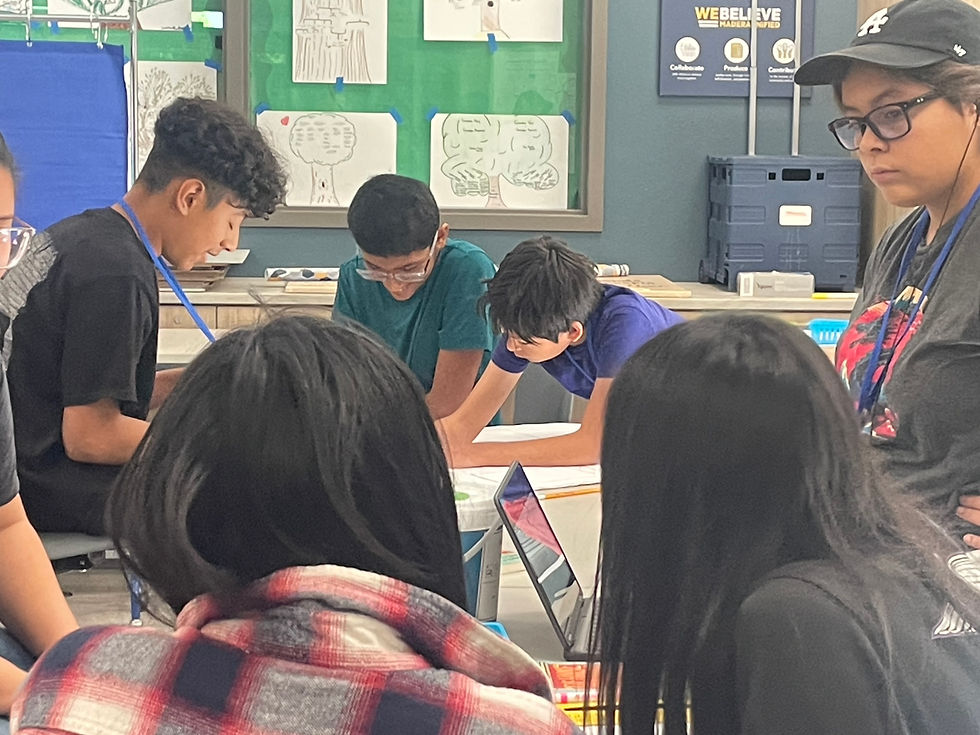
Students explore their lives through six interconnected themes: their names, their families, their neighborhoods, their friendships, their heroes, and their dreams.
Their names become an opportunity to explore who they are and how they have come to understand themselves. Their families offer a space to examine what they have inherited, what they cherish, and what they might wish to question. Their neighborhoods allow them to consider the relationship between themselves and the communities they inhabit. Their friendships invite reflection on the relationships that shape them. Their heroes help them articulate the qualities and values they hold dear. Their dreams allow them to envision the worlds they wish to create.
Their hopes, fears, and challenges are all given space.
In the process of writing, students begin to make sense of their experiences, question their assumptions, and imagine possibilities they may not have previously considered.
They are not simply learning how to construct a narrative. They are learning how to examine and shape the narratives through which they understand their lives.
Records of Lives Lived
And when these stories are published, they are also memorialized. They serve as records of lives lived, preserving experiences and perspectives that might otherwise be lost to our collective memory.
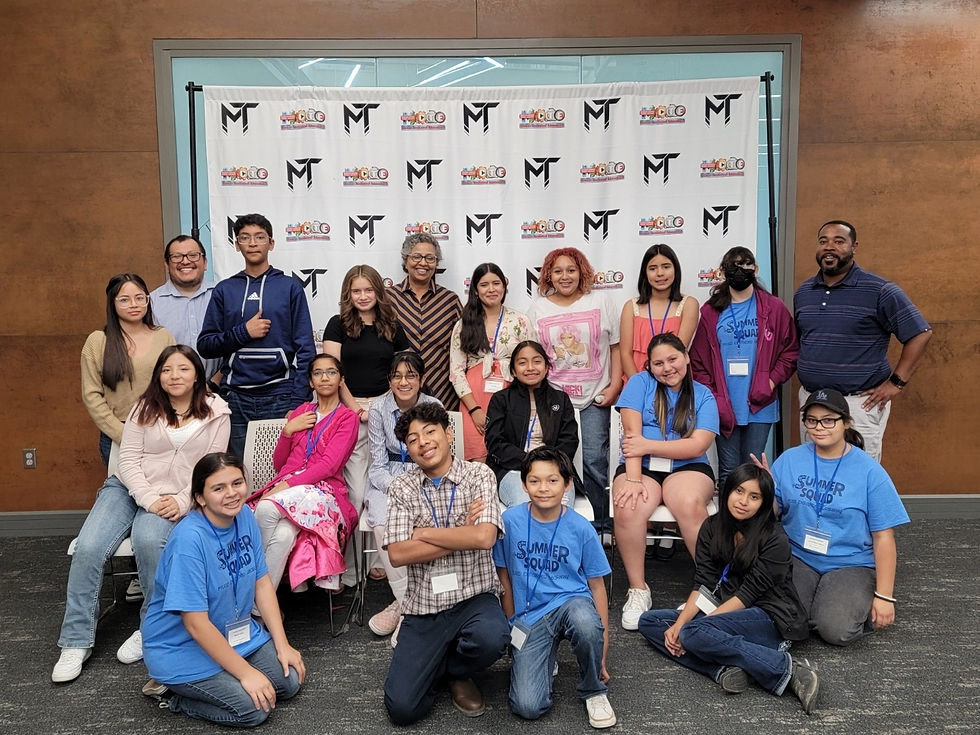
When I revisit the student anthologies we published in East Palo Alto in 2006, in Sanger and Visalia in 2010, and in Lindsay and Cutler-Orosi in the years that followed, I am reminded that the young people who wrote those stories are adults now.
Yet their words remain.
Their stories offer us glimpses into their lives, their communities, and their understanding of the world at a particular moment in time. Their experiences have become part of our collective history.
This is why publication matters. When students write solely for a teacher or a grade, the potential of their words to contribute to our collective knowledge remains largely unrealized. When their stories reach an authentic audience, students have the opportunity to teach others, challenge misconceptions, preserve their histories, and make their voices heard.
Their stories matter not merely because they demonstrate what students have learned, but because of what we can learn from them.
From Authoring Stories to Authoring Lives
Ultimately, the purpose of literacy instruction must extend beyond the mastery of academic skills. Those skills are essential, but their greatest value lies in what they enable us to do.
Through speaking and listening, we learn to engage with one another and encounter perspectives beyond our own. Through reading, we enter worlds created by others. Through writing, we create worlds of our own.
We learn to recognize the narratives that have shaped us, question those that limit us, preserve those that sustain us, and create new ones that open up possibilities.
By teaching literacy through the authorship of stories, we are providing students with the tools to take authorship of their own lives and the world they live in.
Through their words, they learn to create, preserve, and transform.
This is literacy as empowerment.

Comments